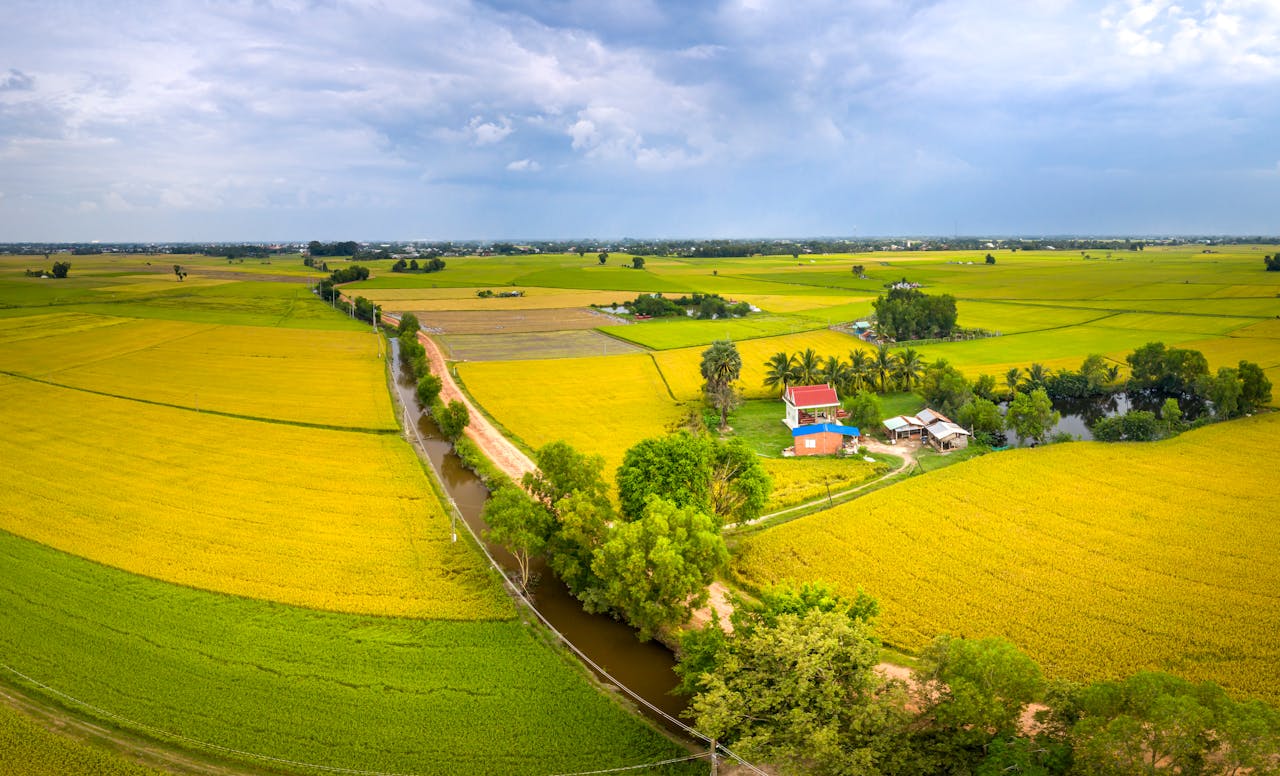
Buying or selling farmland in Indiana can be a big deal. Whether you're taking over the family acres or selling a field that’s no longer in use, it often comes with questions. What’s the land really worth? Who's ready to buy it? Is this the right season to make a move? These kinds of decisions aren’t always easy, especially when you're juggling weather, planting, or family expectations.
That’s where working with an Indiana farmland real estate agent can make a difference. But that doesn’t mean it’s the right choice for everyone. Sometimes you may be fine going it alone. We're going to lay out both sides, when an agent is helpful and when you might not need one, so you can feel a little more certain, no matter what move you’re planning.
What a Farmland Agent Really Does
Farmland sales aren’t much like selling a house on a city block. There’s a lot more riding on the details. A farmland real estate agent helps connect buyers and sellers, but the job goes beyond just posting a listing or swapping keys at closing.
We help make sure the paperwork lines up (land surveys, title records, lease details, and tax info)
We understand soil maps, irrigation setups, field access, and how those impact land value
We talk with farmers, neighbors, and ag lenders who know the community and the ground
Unlike residential property, farmland comes with a backstory. Maybe it's been no-till for years. Maybe it's ready for tiling, or maybe it’s split between pasture and row crops. All of that matters. Knowing how local buyers think and how land has performed over time can really shape how a sale or purchase goes. That kind of know-how doesn’t come from real estate books.
A farmland agent can also help you make informed choices even before a listing. For example, if a field has been used for different row crops over the years, understanding which crops grew best and which practices worked can be helpful for buyers who want to maximize yields. Agents may notice patterns, like how a sloped field drains or if a patchy area tends to hold water long after a rain.
Land transactions have more to them than just acreage and price. There can be drainage tile maps, conservation programs, or government documentation that changes how buyers view your place. Good agents can point out which pieces of information will matter and help get those in order ahead of time.
Moments When You Might Need Help
You don’t need to call an agent for every decision, but there are some situations where trying to do it all on your own can be more risk than it’s worth.
Large tracts need wider marketing to find the right buyer and get offers that reflect true value
Estate sales often involve multiple heirs, old records, or questions about dividing the land fairly
Buyers or sellers with little experience might miss a key leasing rule or fail to spot a title issue
Selling during harvest or planning a purchase while lining up input costs for spring can stretch anyone too thin. We’ve worked with people who meant to handle things themselves, then ran into “unknowns” they didn’t plan for. That could mean zoning surprises, boundary disputes, or tenant terms that weren’t spelled out clearly, a short list that can grow fast.
For example, suppose you inherit a property but aren’t sure which fences belong to you or you do not have all the historic agreements in writing. Or maybe the land has a current lease, and you’re not sure what obligations go along with it. When you add in the need for soil tests, survey markers, or tax concerns, the process becomes even more complicated. Farmland agents understand these areas and can help avoid slowdowns from missing paperwork or conflicting details.
If you’re bringing together multiple family members or even blending farm ground from both sides of a merger, it’s common for issues to pop up around lot lines, access paths, or who keeps a barn lot. These may seem minor at first, but they can cause frustration or delays if you’re not ready.
Marketing is another challenge with large or unusual fields. A wide-open listing needs to reach more than the folks down the road. If you’re selling land that’s never been on the market or is part of a larger estate, it’s important to have the right networks and listings ready to get the word out to qualified buyers. An experienced farmland agent likely has these contacts and knows where interested buyers are looking.
When You Might Be Fine Without One
There are some land sales or transfers that go pretty smooth without an agent, especially when everyone involved knows each other or the land’s history is clear.
Families who’ve already agreed on a price and just want to switch names on a deed
Neighbors buying or selling land that’s been talked about for years
Sellers with updated documents and a solid sense of land values in the area
These deals usually come with trust and fewer unknowns. Still, we've seen cases where simple plans get tangled by soil restrictions, access rights, or unrecorded easements. If you’ve sold land before and know what to expect, that helps. If not, it’s easy to miss things that can change the value or lull you into thinking it’s simpler than it really is.
Maybe you grew up working the fields or have handled a couple of previous transactions. If so, dealing with a nearby neighbor or passing ground between family may not feel overwhelming. When all papers, title work, and lease agreements are up to date, and both sides know what to expect at closing, there’s less reason to bring in extra help.
It’s also common for smaller parcels, like odd-shaped fields nobody wants to operate or lots that aren’t easily accessible, to be handled quietly among neighbors. When everyone is clear on what’s included and the expectations are in writing, the process can be about as straightforward as possible.
However, even with friendly, local deals, you might run into last-minute surprises, like the discovery of an old easement or a property line that’s not where you thought. Sometimes a trusted family friend or local lawyer can answer these questions. Still, it’s good to know where to look for more help if you run into trouble.
What to Look For If You Decide to Hire
If you’re leaning toward getting help, not all agents are the same. It's worth taking the time to ask questions and see who actually knows the ground you're working with.
Ask how much farmland they’ve handled lately and where those tracts were
Find out how they look at pricing (do they just compare sales or factor in land use and soil types?)
See how comfortable they are working with farmers, tenants, and local lenders
Good agents don’t just talk the talk. They’ve likely been in the field, understand when planting windows affect showings, and know the value of a farmstead that hasn’t been touched since 1975. Look for someone who isn’t guessing. Indiana farmland needs experience that fits its pace and its people.
Ask about how they market land and what buyers they usually work with, whether they find more interest from established farmers, local investors, or people new to agriculture. Some agents are better at sharing details about leases, hunting rights, or specialty crops. Others may have experience with conservation programs or government land incentives. A good fit will depend on your type of ground and your goals as a seller or buyer.
You might also ask about their approach to communication. Do they call you back quickly? Will they help keep other parties in the loop, like tenants, lenders, or siblings? These simple things can make the entire process smoother and less stressful for everyone involved.
A Smarter Way to Make Land Decisions
Every piece of land is different, and so is every owner. Whether or not to work with an agent depends on what you're working with and how prepared you are to manage it all on your own. Selling ground while running a full spring field schedule might call for extra hands. But trading ground with a cousin might not.
What matters most is making smart, clear-headed decisions. Indiana farmland carries a lot of value (personally and financially). However you choose to move forward, it’s worth taking the time to understand what feels right for you and when to ask for help if things start to feel bigger than expected.
Working with someone who knows the Indiana land market makes it easier to reach your goals. At Nolan Sampson Real Estate, we believe conversations matter just as much as contracts. When you work with an Indiana farmland real estate agent who listens and understands your goals, you gain a partner dedicated to guiding you through each step, saving you time and reducing the stress of your next move. Reach out today and see how we can help you make confident decisions about your farmland.