
What to Know Before Selling Indiana Farmland This Fall
Fall often brings conversations about what comes next for the farm. Some landowners are considering retirement. Others are settling an estate, changing investments, or deciding whether to continue renting their ground.
If selling is part of that discussion, the first step is understanding what you own, what the local market supports, and which sale method fits your goals.
I work with landowners across Northwest Indiana and Southwest Michigan through Halderman Real Estate & Farm Management. Preparing a farm for sale starts with reviewing the property and the seller’s situation before recommending a price, schedule, or marketing approach.
Start with the Details That Affect Value
Total acreage is only part of the picture. Two farms with similar acreage can sell for very different amounts depending on their soils, drainage, access, and usable acres.
When evaluating a farm, I look at:
Total acres and tillable acres
Soil types and productivity ratings, including WAPI where applicable
Drainage, tile, and irrigation
Road frontage and access
Field layout and ease of farming
Buildings, grain storage, and other improvements
Woods, recreational acreage, and other income opportunities
Existing leases and conservation program commitments
These details help explain how your farm compares with recent sales. They also help buyers understand what they are purchasing and identify questions that need to be answered before closing.
Review Leases and Possession Early
Before setting a sale schedule, we need to understand any existing rental agreements and when a buyer could take possession.
A fall sale does not automatically mean the buyer can farm the ground the following spring. Lease terms, tenant arrangements, crop ownership, and other commitments need to be reviewed.
Gathering written leases and discussing any verbal arrangements early helps us establish clear sale terms. The same applies to hunting leases, conservation agreements, and equipment or improvements that may belong to someone other than the landowner.
Choose the Sale Method That Fits Your Farm
An auction and a private listing offer different approaches. The right choice depends on the property, likely buyers, your timeline, and how you want to handle the sale.
An auction creates a defined marketing period and bidding deadline. It can also allow buyers to bid on individual tracts or combinations when a farm lends itself to division.
A private listing establishes an asking price and allows offers to be negotiated as they come in. A sealed bid process may also be appropriate in certain situations.
I explain the options and recommend an approach based on your farm and your priorities. That decision should come before the marketing begins.
Use Local Sales to Set Expectations
A county average or a nearby sale can provide context, but neither tells the whole story.
A useful comparison considers soil productivity, tillable percentage, drainage, improvements, location, and sale terms. On mixed properties, separating the contribution of woods, buildings, and other acreage can help clarify what buyers paid for the tillable ground.
My focus is Northwest Indiana and Southwest Michigan. That local perspective, combined with Halderman’s sales experience and marketing resources, helps build a realistic plan for your property.
Prepare the Information Buyers Need
Clear maps, accurate acreage information, aerial imagery, and supporting records make a farm easier to evaluate.
Depending on the property, preparation may include reviewing deeds, available surveys, lease agreements, soil maps, drainage records, and improvement details. Access, boundaries, easements, and ownership questions should be checked against the appropriate records.
The goal is straightforward: present the farm clearly, reach likely buyers, and resolve questions early enough to keep the sale moving.
Plan the Timing Around Your Goals
Fall can be a practical time to begin the process, especially when ownership plans and rental arrangements are being discussed. The best sale date still depends on your circumstances and the preparation needed.
If you’re considering selling farmland, we can start with a review of the property, recent local results, and your options. You don’t need to have every decision made before that conversation.
Contact me to discuss selling your farmland and what an auction or private listing could look like for your property.
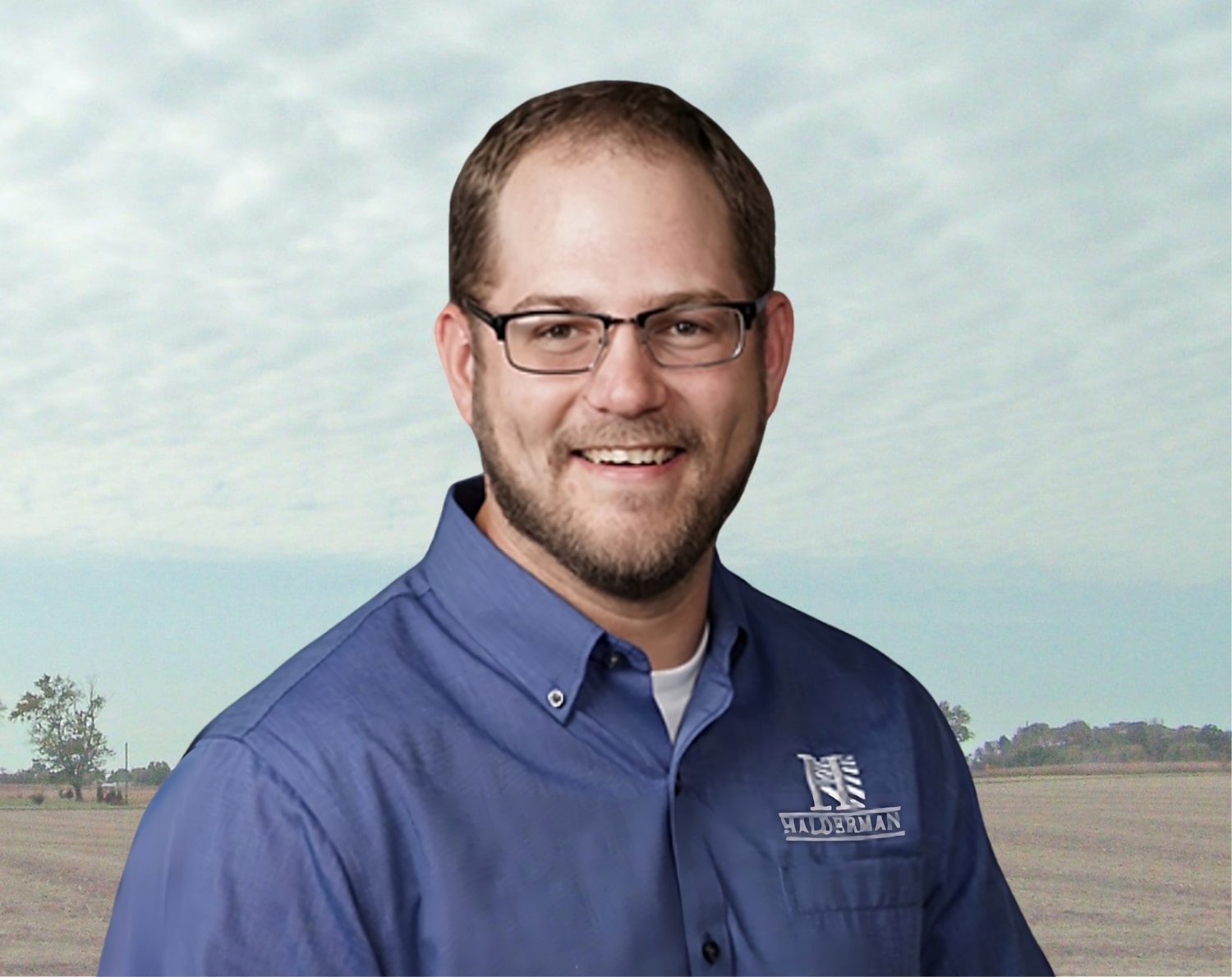
Nolan Sampson | Halderman Real Estate & Farm Management
219-575-1486 | nolansampson.com