Each spring, interest picks up for buyers keeping an eye on farm ground for sale in Indiana. As fields begin to dry out and equipment rolls through, people naturally start wondering if this year might be a good time to make a move.
This time of year always brings questions. Weather’s been unpredictable across some counties, and every buyer wants to know if the ground they’re eyeing is actually workable, leased, or ready to plant. We’ve been watching these shifts closely and know what details can shape a smart decision. Let’s take a closer look at why Indiana land continues to hold value and what to keep in mind before getting too far into a deal.
What Makes Indiana Farmland Valuable Right Now
One reason Indiana ground stays on buyers’ radar is because it keeps working year after year.
Most of the soil types across the state are suited for common row crops, especially corn and beans. There’s enough consistency in yields and planting routines that the land doesn’t lose ground from season to season.
Another strong point is preparation. A lot of the land for sale in spring is already leased or farmed by a tenant who’s been working it. That helps new buyers avoid gaps in usage, since the land has likely been maintained and actively farmed.
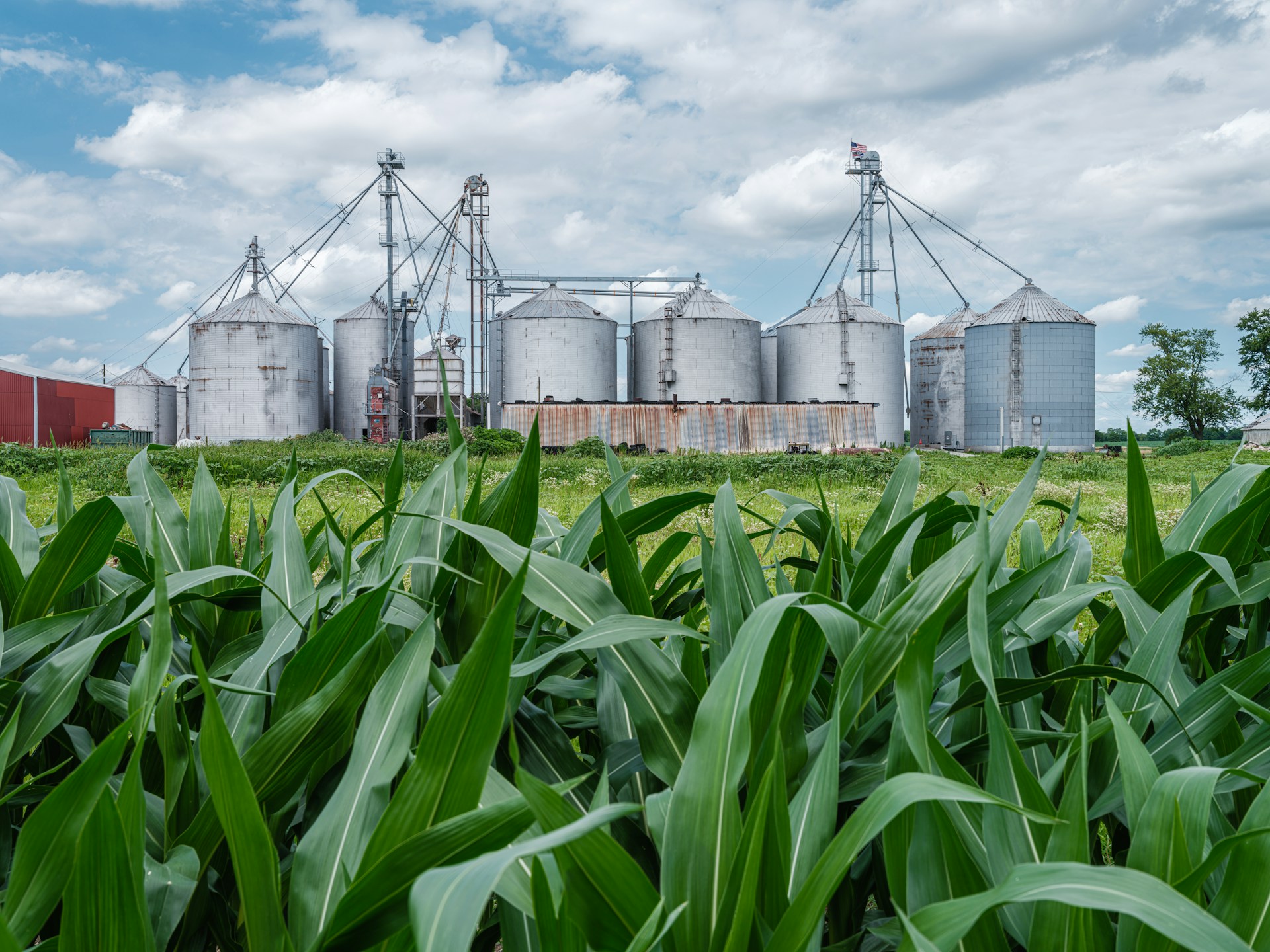
Indiana also benefits from a strong ag setup. With plenty of elevators, grain buyers, and supply points close by, farmers and investors don’t have to reach far to get what they need, or to sell what they grow. That kind of setup is hard to replicate in other states, and it keeps Indiana farmland in demand.
Many buyers also appreciate that Indiana farmland tends to stay productive, even when weather across the Midwest is unpredictable. Over the years, farmers have learned how to keep fields healthy by rotating crops, making sure nutrients aren’t depleted, and fixing up drainage when needed. With well-managed soil and farming routines passed down among experienced operators, new owners can feel more confident that what they’re buying won’t lose value or usefulness too soon.
What Buyers Are Thinking About This Spring
Once planting windows start to open in late April and early May, people begin asking different questions. Buyers aren’t just skimming listings, they’re wondering what’s under the surface and how fast they can take control of usable acres.
Access becomes a priority. If that freshly listed parcel doesn’t have a clean entry or ties into a leased drive, buyers want to know that ahead of time.
Leases are a big part of the spring decision making. Buyers are curious whether the ground is on a flexible cash rent, a crop share agreement, or if it’s open right away. The answer can make a difference on whether they move forward or look elsewhere.
Conditions matter too. A field might look clean on paper, but if it’s had tile blowouts or spring standing water before, experienced buyers are going to want those answers before writing a check.
The questions don’t stop at the edge of the field, either. Every buyer who is thinking long-term has a list of what matters most before they’re ready to move ahead. They might ask about how easy it is to get grain out to the main road, whether fences or property lines are clearly marked, or if any hidden agreements mean the land can’t be used exactly as they expect. These questions point to how well a property will fit into their broader plans, not just for this season but for years to come.
What to Watch Out for Before Making a Decision
Not everything shows up on a listing. This time of year, where the ground is really starting to show its true condition, the hidden pieces can hold everything up.
Drainage is one of those pieces. A parcel might look smooth in the photos, but without solid tile or proper outlets, planting could be delayed.
County data doesn’t always stay current. It might not list recent improvements, adjusted field boundaries, or the last time the soil class was updated. That means buyers could be basing decisions off information that’s several seasons old.
Parcel maps rarely match real shape. Sometimes the “tillable acres” listed include tree lines, ditch edges, or unusable drain corners. Without walking it, there’s a risk of thinking there’s more workable dirt than there really is.
Walking the ground, especially in spring, can reveal spots where water tends to collect, or where past crops struggled. Buyers need to watch for signs of compaction or large areas of weeds that could tell a different story than what satellite photos or recent drone images show. Making the effort to see the property after a spring rain or during field prep gives buyers more details they can actually use, which leads to better decisions.
Is Farm Ground for Sale in Indiana Still a Smart Option in 2026?
A lot of people asking about farm ground for sale in Indiana this year are thinking beyond the quick flip or one season lease. They want something that holds its value, something with clear use and strong long-term potential. That still points to Indiana being in the conversation.
Land here has stayed reliable. Weather patterns add some uncertainty, but the soils, leases, and access networks help protect the long view.
What does make a difference now is timing. Properties with open leases or known crops already planned for summer will be in higher demand.
Clarity is key. The more clear the lease terms, field layout, and drainage setup, the easier it is for buyers to move ahead with deals that won’t come back with troubles later on.
Many buyers thinking about land in 2026 are also focused on finding property that aligns with future plans, whether that’s allowing for new technology, rotation schedules, or possible changes in how acres are used. With shifting rules for land use and conservation efforts becoming more common, it pays to look at a property’s flexibility and what advantages it can offer down the road. Being able to see both what’s working now and what could work later is part of why Indiana stays on buyers’ lists.
A Ground-Level View Can Make the Difference
It’s easy to get pulled in by sharp listings and overhead maps. But the properties that turn out to be solid buys are usually the ones that get more than a screen scroll.
A real farm visit makes a big difference. You see how the slope works, where the water goes, and whether access lines up the way the plat said it did.
A look back helps too. Learning what’s been planted, how it’s yielded, and what work’s been done over the past couple years brings things into focus, especially when spring decisions need to be made quickly.
This season, being ready means more than just watching listings. Buyers who prepare to walk the ground, ask clear questions, and focus on true workability will be better set to choose land that fits their needs now and later.
Even if listings seem sharp with professional photos, real answers only appear once you step on the dirt. Checking on nearby activity also helps, have the neighbors planted, is the road in good shape, are there signs of strong yields nearby? These are the kinds of details only a walk-through or in-person look can provide, especially when timing a purchase close to planting or harvest. The buyers who take that extra step to check fences, talk to area operators, and ask about equipment access end up with fewer surprises.
The reason Indiana farmland continues to show up on shortlists is because it offers more than just ground, it offers history, access, and farm-readiness. Even in a spring with shifting weather and moving targets, there’s still room to find solid, reliable acres. The key is staying sharp, asking early, and taking the time to look past the photos to the pieces that matter most.
Keeping an eye on farm ground for sale in Indiana this spring is easier with a team that knows how to find great properties before they’re off the market. We’ve walked countless acres and handled enough lease terms to tell the difference between a seamless transaction and a drawn out process. Whether you want to invest for the long term or find something ready for immediate use, we can help you get answers quickly. Learn what goes into a successful purchase for farm ground for sale in Indiana, then connect with Nolan Sampson to take your next step.