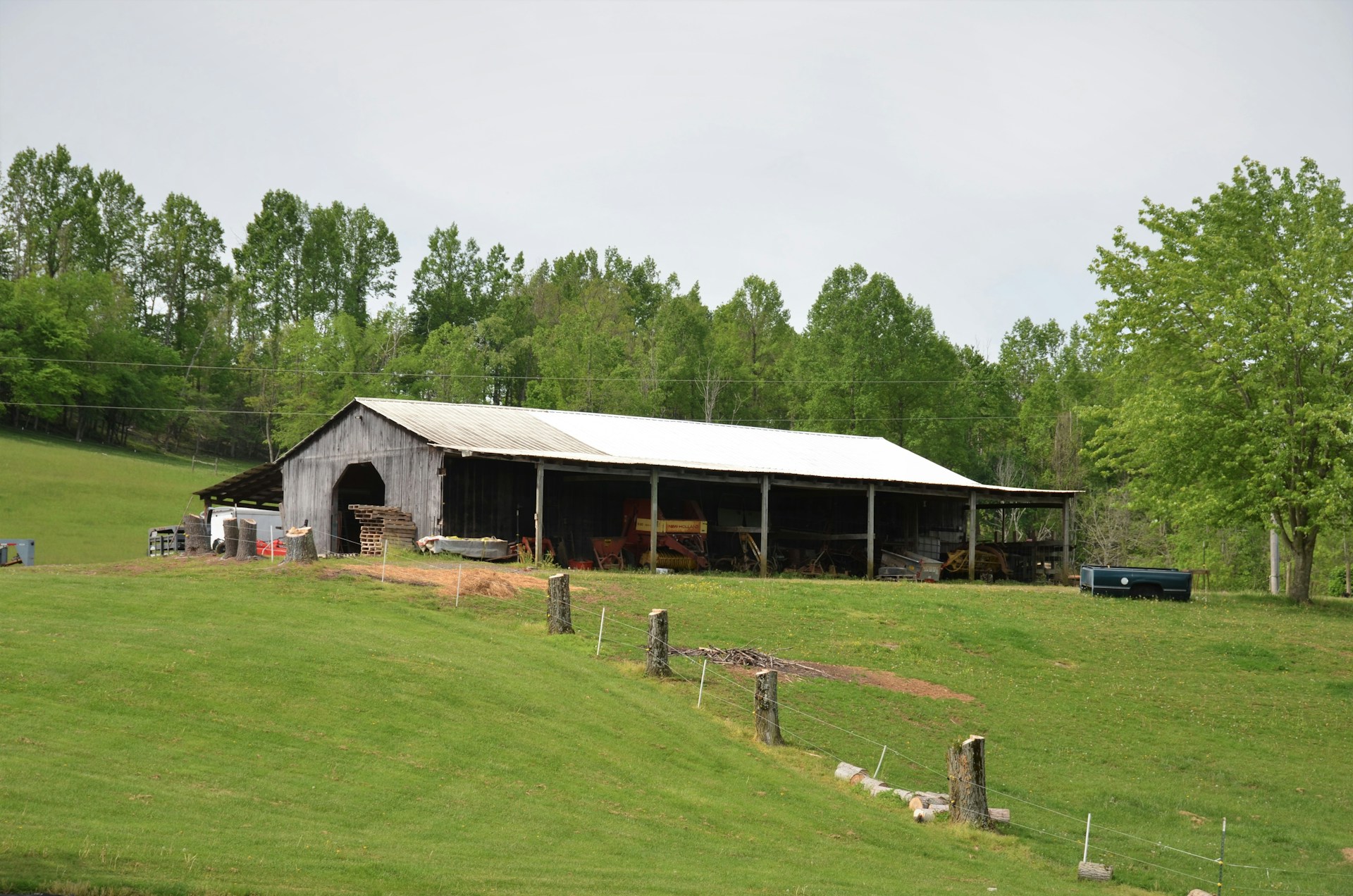
Northern Indiana has quietly become one of the top areas to watch for farmland investment. Wide open landscapes, dependable access to water, and a strong farming history make this part of the state stand out. Whether you're looking for long-term growth or want to stay connected to agriculture, the northern region of Indiana offers plenty of potential.
The land here supports a range of farming uses, and with local infrastructure built around agriculture, it's no surprise many buyers are turning their attention north. From row crops to livestock operations, Northern Indiana brings both stability and opportunity to the table. If you've been scanning for areas to invest in, this region is worth a closer look.
Benefits Of Investing In Northern Indiana Farmland
Indiana is known for its farming roots, but certain areas offer features that make them especially attractive to buyers. Northern Indiana is one of those spots. The soil in this region is some of the best in the state, and its consistency allows for dependable yields. Whether you're interested in corn, soybeans, hay, or pasture land, there's room to grow here.
Beyond soil quality, Northern Indiana also checks the box for long-term value. It's connected to strong local and regional markets, so moving crops or cattle isn’t a hassle. That makes it easier to keep operations efficient and profitable year-round. Even for those not managing a farm directly, buying land in an area that stays in demand helps protect your initial investment over time.
Here are a few reasons this part of the state continues to attract interest:
Well-drained, productive soils that support a variety of crops
Stable weather patterns compared to southern regions
Local services and ag-related businesses built to support farming
Close proximity to major roadways and grain terminals
A solid track record of rental interest from area farmers
Whether it’s a hobby farm, long-term lease, or full-scale commercial operation, owning ground in Northern Indiana puts you in a strong position. The land doesn't just provide a place to plant. It offers flexibility, future value, and access to farming networks that have been built and refined over generations.
Key Hotspots For Farm Investments
Northern Indiana covers a lot of ground, but there are a few standout areas that keep drawing attention from both farmers and long-term investors. These places aren’t just known for their crop yields. They’re backed by strong farming communities and infrastructure that helps keep operations running smoothly.
Start with counties like Jasper and White. These two are widely respected for their row crop production and reliable returns. Benton County is also worth a close look, especially for its flat, open land and strong drainage that makes large-scale farming easier. Areas around Newton County offer similar value with easy access to grain markets and feed operations.
Here’s a short list of some counties that continue to catch investor interest:
Jasper County – Known for its productive corn and soybean fields and solid rental demand
White County – Offers established farms with good access to grain facilities and storage
Benton County – Ideal for larger farms or expansion, with flat land and proven production history
Pulaski County – Mix of farmland and woods, appealing to both row crop and recreational buyers
Newton County – Great for cattle or mixed-use operations with space, pasture, and infrastructure
Each of these areas brings something a little different to the table. Some are better suited for row crops, others for livestock, and a few can support a bit of both. The key is matching your goals with what the land and the area can truly offer.
Navigating Indiana Farmland Property Listings
Trying to buy farmland without a smart approach can feel like looking for a needle in a haystack. That’s why it helps to know what to focus on when browsing farmland property listings in Indiana. A listing gives you the basics—acreage, location, and type of farm—but the real value comes through careful review.
Look out for properties that check off key boxes. This includes land with good soil ratings, current or past rental income, and signs of regular upkeep. It’s also worth noting what kind of access the property has such as gravel road or paved, easy field access, and utilities which can all impact usability.
Make your search easier with a few listing tips:
Always check the soil types and drainage info if provided
Look at aerial views or maps to spot layout, tree lines, creeks, and field shape
See how close it is to grain elevators, highways, and other services
Pay attention to land splits in the listing, like tillable versus non-tillable acres
Make a list of questions about past use, lease history, and buildings included
Even a great piece of land can turn into a challenge if it doesn’t match your goals or if you miss something hidden in the fine print. Taking time to review each listing carefully helps avoid surprises later.
Future Trends And Projections
As we head toward the end of 2025, things continue to shift in Indiana farmland. Weather, crop rotation patterns, and technology-based farming all play a role in how land is used and valued. For Northern Indiana, the push toward smarter farm practices and conservation is only going to grow.
Expect to see more land being managed with precision technology. This helps boost productivity and supports long-term soil health, something buyers are watching more closely lately. There’s also growing interest in conservation leases and solar energy setups, especially on tracts with lower-productivity acres or unused corners.
These trends may affect future value:
Increased interest in conservation easements or programs
Stronger lease rates in certain counties based on yield tracking
Expanding farm co-ops and grain hubs to improve transport costs
Possible regulatory shifts involving land use, nutrient runoff, or water rights
Staying both aware and flexible will help you spot the right land and know how to move when it pops up. While traditional farming methods still work, properties that adapt to modern strategies may carry more appeal and better long-term returns.
Making The Most Of Your Investment
Buying land is just the start. To really get value out of your farmland investment, you’ll want to manage it smartly or work with someone who can. That means paying attention to how your land’s being used and looking for ways to improve or protect it over time.
Some new landowners lease the property out while they get a handle on the area. Others jump into farming themselves with help from a local manager who knows the land. Either way, staying involved matters. You don’t just want income, you want to keep the land healthy, productive, and ready for the long haul.
Think about:
Checking in with your operator or tenant regularly
Maintaining field edges, tile drainage, and access roads
Exploring cost-share programs for conservation or soil upgrades
Keeping records on yields, inputs, and cropping plans
You don’t have to do it all on your own. There are plenty of ag pros and services in Indiana that can step in behind the scenes or get their boots on the ground. The goal is to make sure the land works for you every year, not just when conditions are perfect.
Why Northern Indiana Is Worth a Closer Look
A good farmland investment starts with good land, and Northern Indiana offers that in steady supply. From solid county options to future-focused trends, it's one of those rare places where tradition still matters, but innovation is welcome.
Each piece of land has its own potential. This region keeps delivering for those who approach with patience, clear goals, and a willingness to learn. Whether you're growing row crops or cattle, or simply leasing to local operators, you're working in a place that supports agriculture at every level.
Indiana farmland property listings are showing strong value in this part of the state. The question is whether you're ready to take that next step.
If you're thinking about making a move in Northern Indiana, exploring an Indiana farmland property listing could be the right step. Nolan Sampson combines local insight with hands-on experience to help you find land that fits your goals. Whether you're buying your first acreage or expanding your agricultural footprint, reach out today to get started.