More and more people are looking into small farms as a new way to enjoy rural life while staying connected to the land. Whether you're dreaming of growing your own food, raising a few animals, or just enjoying open space away from the city, it's easy to see why mini-farms are grabbing attention. They offer a chance to do something meaningful without the huge step of buying hundreds of acres.
In Indiana, a mini-farm can be a real possibility for those who want to start small and learn as they go. These properties tend to offer just enough room to experiment with farming or homesteading while keeping upkeep and management doable. The mix of fresh air, flexibility, and the rewarding feeling of working your own land makes this a path worth exploring.
Why Choose a Mini-Farm?
A mini-farm lets you enjoy many of the benefits of larger farmland without all the heavy lifting. It’s a smart place to start, especially for first-timers or those who want to ease into rural living.
Here’s why mini-farms appeal to a wide range of people:
Manageable Size: Mini-farms usually range from just a few to a couple dozen acres. That means less mowing, less fencing, and fewer buildings to maintain.
Versatility: You can use the land in a number of ways such as hobby gardening, small-scale livestock, fruit orchards, or even adding a greenhouse. It allows room to try things out without having to commit to full-scale operations.
Lower Time Commitment: Tending to a smaller plot fits better with busy schedules. You still get the satisfaction of land ownership without it becoming a full-time job.
Easier Entry Point: Whether it’s your first land purchase or a stepping stone toward a bigger property, a mini-farm can be more approachable both financially and practically.
One family in southern Indiana shared how they started with a 10-acre mini-farm where they grew vegetables and raised chickens. Over time, they added bees, some berry bushes, and even started selling at a nearby farmers market. The smaller size made it easier to experiment while staying flexible.
A mini-farm gives you the room to grow without being overwhelmed by the load that comes with full-scale farming. You can test your ideas, build skills, and enjoy the land at your own pace.
Best Seasons for Buying Small Farms in Indiana
When you start looking for a mini-farm in Indiana, don’t forget to factor in the season. Just like planting or harvesting, the time of year can shape the buying process. Land looks different in each season, and the local farm calendar plays a big part in when sellers are likely to list and when buyers are actively searching.
Here's how each season plays out:
1. Spring
Buyers tend to be more active in spring, especially after the long winter. Fields start to green up, making it easier to imagine growing crops or raising livestock. Roads are more accessible, and many properties come on the market after seasonal planning.
2. Summer
With crops in full swing, this is a good time to see how land performs. You’ll get a clear look at soil use and water flow, but touring farms can be tricky with the heat and tall crops blocking some views.
3. Fall
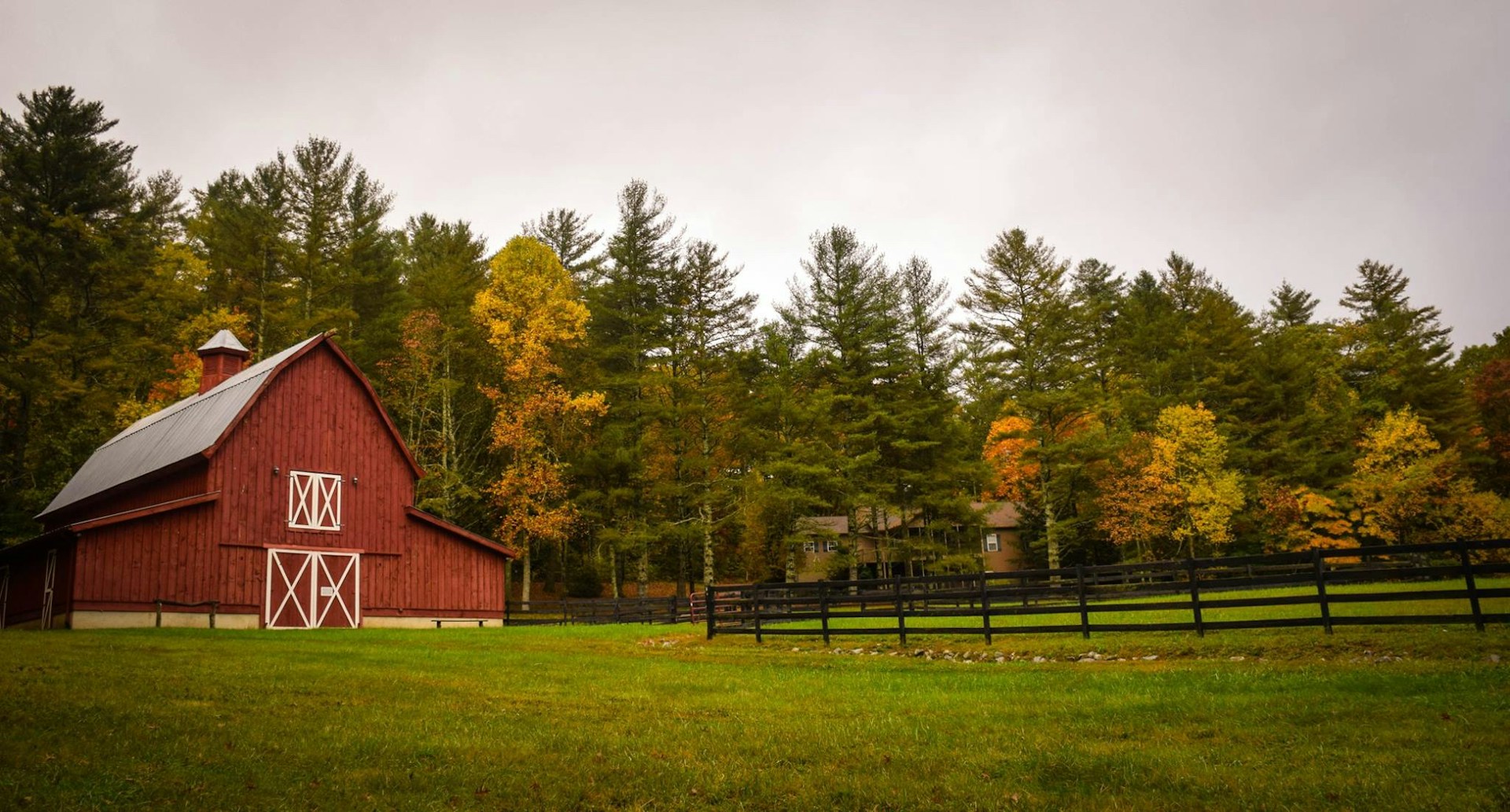
Right after harvest tends to be an ideal window to buy. Sellers may be ready to move on after the growing season. Fields are cleared, weather is cooler, and it's easier to inspect the land's full layout.
4. Winter
Although fewer properties may be listed, this can still work in your favor. Motivated sellers, less competition, and bare trees give a cleaner view of property lines and topography.
Every season has ups and downs, but fall often stands out for mini-farm buyers. Fields are easier to walk, inspections go quicker, and you have time to prepare for spring if you're planning to start planting early next year.
Starting your mini-farm search with seasonal insight can help you spot good fits more quickly and avoid surprises along the way. Timing isn't everything, but it sure helps smooth the road ahead.
Key Considerations for First-Time Buyers
When you’re looking into small farms for sale in Indiana, there are a few things you’ll need to check before making any decisions. A mini-farm might be smaller than traditional farmland, but it still comes with a list of things you’ll want to look into closely. Paying attention now can save a lot of hassle later.
Start with the soil. Good soil is the heart of any farming project, big or small. If you’re planning to plant crops, you’ll want soil that drains well and has nutrients to support a healthy harvest. Even if growing food isn’t your top goal, soil condition still affects other things like where water pools, how your grass holds up, or how easily buildings can be added.
Equally important is access to water. Whether it’s for animals, irrigation, or general use, a reliable water source is key. Farms with a working well, clean creek, or existing irrigation setup are worth a closer look. If there’s no clear water source, figure out how you’ll supply your needs before moving forward.
Location is another big one. Think beyond just the nearest town. Consider how close the farm is to feed stores, markets, or even family if you’ll need help now and then. Internet and electrical access are worth checking, too, especially if you’re aiming to live on the land or run any sort of operation there.
As you look at different properties, it helps to bring a simple checklist that covers things like:
Soil type and drainage
Water availability (well, creek, irrigation lines)
Road access and condition
Condition of fences and outbuildings
Surrounding land use (neighbors, fields, woods)
Utility access (electricity, internet, propane options)
Local zoning laws or restrictions
One buyer in central Indiana found a five-acre parcel that checked almost every box, except for easy road access. A single-lane gravel road made it hard for trucks to turn in, which eventually added costs when they installed a wider entryway. It’s little things like this that can impact how usable your land is day to day.
It’s natural to get excited about a property that looks perfect at first glance. But slowing down, asking questions, and really getting into the details will give you more peace of mind once you step into farm life.
Making the Most of Your Mini-Farm
Once you’ve found your piece of land, the fun begins. There’s a lot you can do with a mini-farm, and the smaller size means you can try things without a huge commitment. Whether you’re thinking about raising animals, planting produce, or setting up something simpler, there’s plenty of room to get creative.
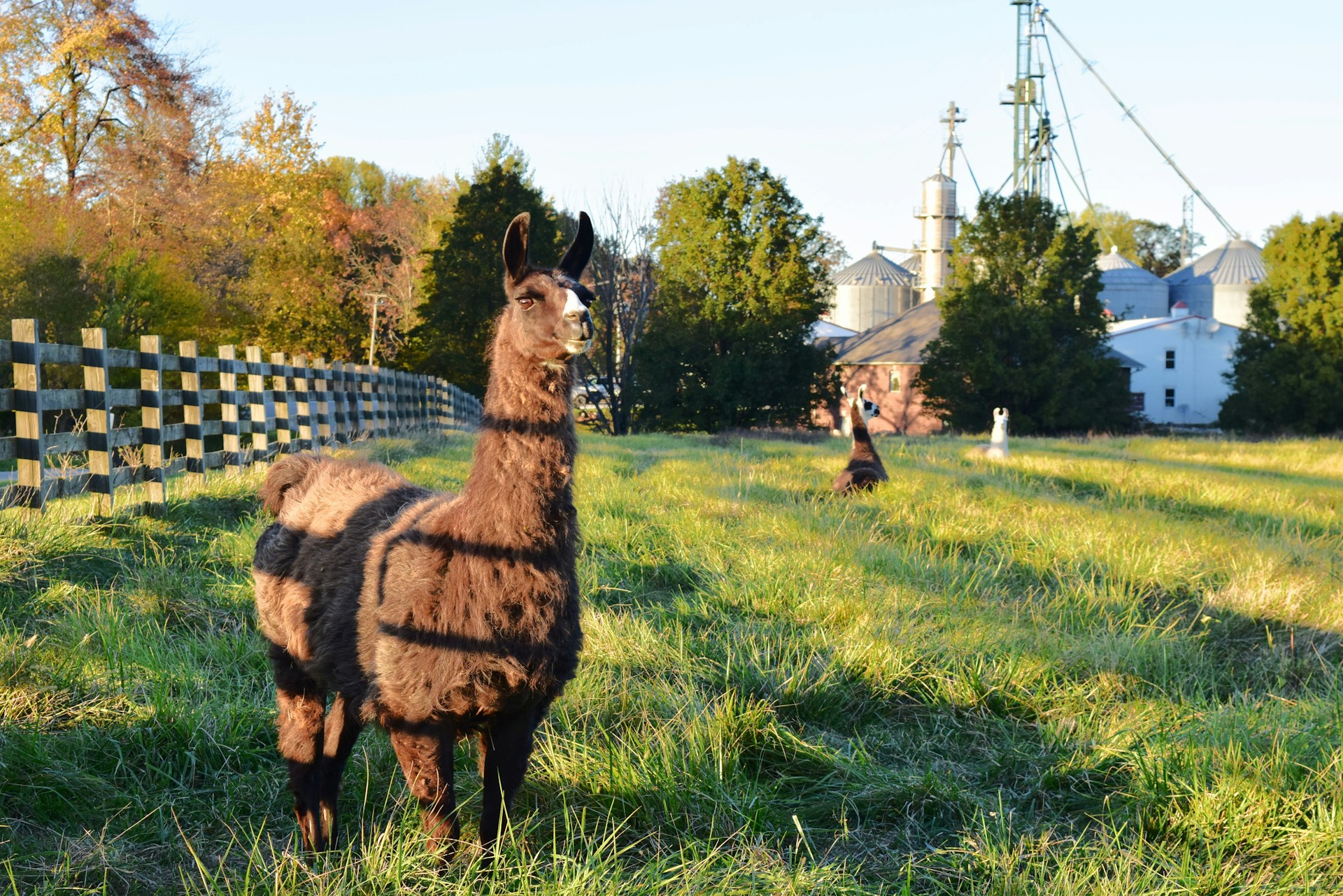
Some people turn their mini-farms into small vegetable gardens, chicken coops, or herb gardens. Others go for native wildflowers, berries, or bee-friendly plants. Fencing in a small pasture for goats or a couple of dairy cows is another common path. You don’t have to know exactly what you want to do on day one. That’s part of the appeal.
If you're leaning toward sustainability, you can start working with compost piles, raised beds, or rotational grazing all on a smaller scale. Treat this time as a way to build good habits and learn. Every season can bring a new idea or project to test out.
Think about how your farm can grow with you. Some use the land to:
Raise chickens for fresh eggs or meat
Plant a few fruit trees for future harvests
Build raised beds for seasonal veggies
Create a pollinator space full of native plants
Set up a small stand to sell extras or swap with local neighbors
One couple near Bloomington started small with tomatoes, herbs, and a few laying hens. Before long, they had built a tiny roadside produce stand just down from their driveway. It started as a weekend hobby but slowly turned into a fun side project that connected them with others in the area.
Don’t feel pressured to do everything at once. Beginning with one or two manageable plans lets you build confidence without being pulled in too many directions. Over time, your mini-farm can reflect what you enjoy most about owning and working land.
The Everyday Magic of Owning a Mini-Farm
There’s something special about stepping into a quiet morning, coffee in hand, and looking out across land you’ve put real work into. That might be a few rows of lettuce, a fenced-in pasture, or just a patch of open grass waiting for next season’s plans. Mini-farms give you that feeling without the stress of managing a massive operation.
Whether you're easing into farm life or looking for a place to unwind and reconnect, Indiana offers a wide range of small farms that could be just right. These properties strike a balance between productivity and simplicity, which makes them a great choice for beginners, families, or anyone chasing a slower, more hands-on lifestyle.
Starting small doesn’t mean thinking small. With the right land, a few good ideas, and some patience, your mini-farm can grow into a project that brings fulfillment and purpose for years to come. From early morning chores to afternoon harvests, there's plenty to enjoy at every step.
If you're ready to experience the freedom and satisfaction of living closer to the land, explore the available small farms for sale in Indiana. Whether you're dreaming of a peaceful retreat or a space to grow your own food, there's a property that can meet your needs. Let Nolan Sampson help you find the mini-farm that feels like home.