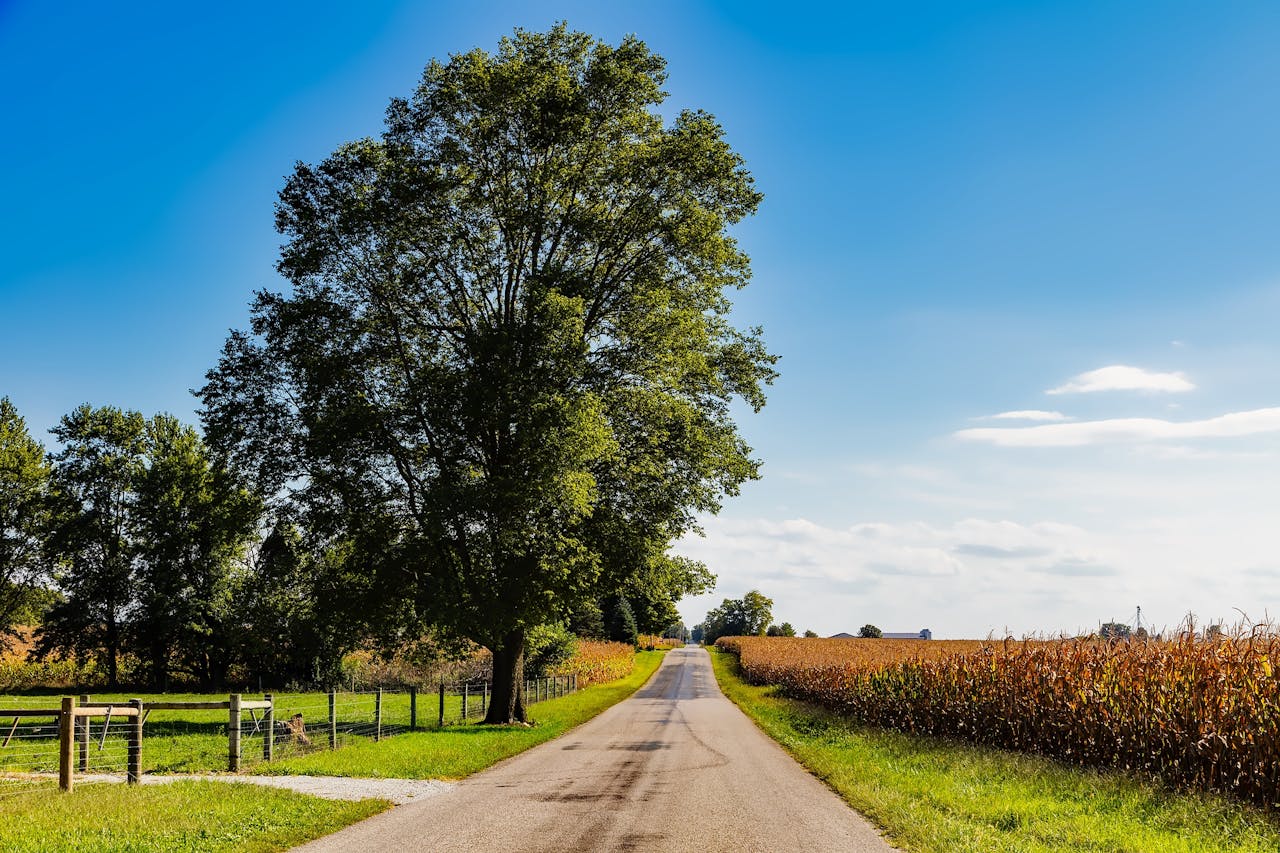
When you are searching for farmland for sale in Indiana, you will see a lot of listings that all sound about the same. They might say “great opportunity” or “productive ground,” but often stop short of telling you much about what sets the property apart. And when so many listings use the same handful of words, it can be hard to tell which ones are really worth your time.
A listing might mention the acreage and the county, toss in the word “tillable,” then leave you guessing about the next hundred details. That kind of pattern makes it tough for buyers to figure out what they are actually looking at, and just as difficult to sort good fits from questionable ones. Let’s look at why this happens, what gets left out, and how to tell if a listing is actually saying anything real.
Why So Many Listings Sound the Same
If you have looked at more than a few farmland listings, you have probably noticed how often some of the same wording pops up. That is not a coincidence.
Phrases like “excellent location,” “beautiful views,” or “great investment” show up over and over again. They sound good, but they do not really tell you much about the land itself.
Terms like “tillable acres” or “productive soils” are important, but without details or numbers attached, they leave a lot to the imagination.
Most listings do not come with full stories, because space is limited and writers often assume buyers already know a lot about the area from the jump.
Sometimes, agents use shortcuts in the text, thinking that buyers will see the location and fill in the blanks. Other times, it is just an effort to keep things brief and broad. But in both cases, buyers are left reading between the lines, unsure what kind of land is actually being described.
What You are Not Being Told (and Why It Matters)
A listing can look complete and still miss some of the points that serious buyers care most about. When listings skip these details, it makes it harder to decide whether a property serves your needs long term.
Soil types matter if your goal is to grow, but many listings skip this entirely, even though it affects both productivity and land value.
Drainage patterns and low spots get overlooked in text but show up fast during planting season or after summer rains.
Road access is not just about getting to the land, it is about whether equipment, hauling, or tenants can access it easily year-round.
Some listings skip over whether or not the land is clear of zoning issues, easements, or future use restrictions.
Whether you are working ground yourself or just want land that holds its value, skipping over these points can leave you with more uncertainty than clarity.
Different kinds of buyers value different features. An investor might be more focused on lease terms or who is using the ground now. A grower may want detailed usage history, crop rotation info, or soil test data. Listings that skip key information make it harder for anyone to assess whether the property is a good match.
How to Read Between the Lines of a Property Listing
Sometimes what a listing does not say matters just as much as what it does. Learning how to read into the wording helps save time and flag real options faster.
Look for acreage type and whether it is broken down into usable land versus total land. That can give clues about pasture, wooded, or non-workable areas.
Check for phrases like “mix of soils” or “undocumented boundary lines.” These often signal irregular parcels or older surveys.
When nothing is mentioned about irrigation, fencing, or road access, that can point to either bare ground or a seller who has not maintained what is there.
If a listing is filled with vague praise but short on facts, it might be covering for issues like poor drainage, limited access, or ground that has not been managed in a while.
Being cautious does not mean avoiding listings altogether. It means gathering enough information to know what questions to ask next. A careful review now can save you from making trips to see land that does not check the boxes you are aiming for.
What Buyers Really Want From a Farmland Listing
Even though listings might lean on big terms, what buyers really want tends to be straightforward. The best farmland descriptions are rooted in facts, not fluff.
Many buyers want to know yield history or what has been grown on the land in the past few seasons.
Others look for lease terms if the land is rented, or who is managing it right now.
Zoning can affect more than just what gets built, it can change what happens around the property and long-term value.
For June, it makes sense to ask about drainage since early summer storms can reveal lasting trouble spots before growth comes in full.
You might also want to ask about weed management or spray history, which can affect your plans later this season.
When you are looking through listings for farmland for sale in Indiana, it is helpful to focus on what reflects the land's actual use and potential. Details like slope, exposure, and fertility are not always front and center, but they make a big difference once you own it. And a good listing should tell you not just what the land has, but what you can do with it.
Moving Forward With Confidence
It is easy to feel lost when every listing sounds the same. But underneath the repetition, you can still find the facts that matter, it just takes time and a sharper eye.
When listings fall short, a patient and better-informed review helps you spot the gaps. Once you start asking the right follow-up questions, the conversation shifts from vague descriptions to real details. Buying land should feel like a confident move, not a guessing game. And the more you know going in, the better seats you will have to spot what is worth your focus and what is better left alone.
At Nolan Sampson, we help investors, growers, and first-time buyers zero in on what matters most when searching for the right property. Asking the right questions is critical, and our experience working with buyers across Indiana ensures you get straightforward, valuable guidance, not just empty promises. Interested in farmland for sale in Indiana? Reach out today and let us discuss your goals so we can help you find the opportunity that truly fits.